
Blog
The Complete History of Boiled Peanuts in the United States

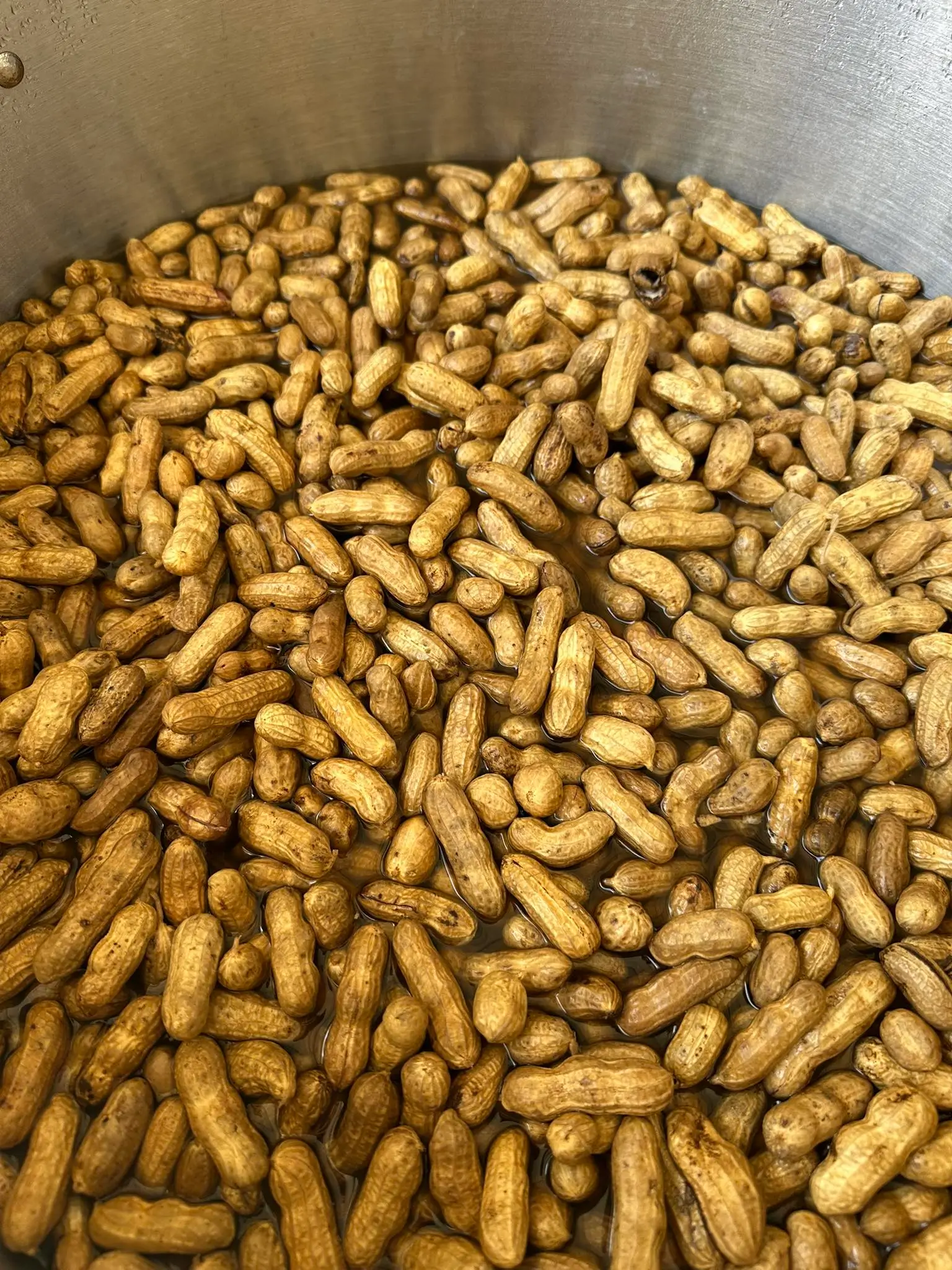
The shimmering heat of a late August morning in the Lowcountry often carries a heavy, humid stillness that is only broken by the distant, rhythmic bubbling of a roadside cauldron. To many, the sight of a hand-painted wooden sign propped against a pine tree is the first true indication that they have crossed into a territory where culinary rules shift away from the crisp and toward the succulent. Inside those steaming pots, a transformation occurs that defies the standard expectations of the common legume, turning a dry, brittle seed into a tender, salt-infused treasure. This ritual of the boil is a deeply rooted American tradition, one that has survived centuries of economic upheaval and social change to remain a singular badge of regional identity.
It is a story of ingenuity born from the soil, where the simplest ingredients—water, salt, and heat—conspire to create the flavor at the heart of the history of boiled peanuts in the United States, a journey that is as much about the memory of the land as it is about the snack itself.
The Colonial Genesis and the Clandestine Garden
In the early 1700s, the landscape of the American South was a mosaic of experimental agriculture and rigid social hierarchies, where every plant had a designated purpose and a perceived value. During this era, the peanut arrived on North American shores not as a heralded crop for the wealthy planter, but as a stowaway of sorts, deeply intertwined with the arrival of enslaved people. While the massive plantations focused their energy on profitable exports like indigo, rice, and tobacco, a much smaller, quieter agricultural revolution was happening in the small personal plots allotted to the enslaved.
These patches of earth became the primary laboratory for the peanut in America, as the plant was initially viewed with suspicion or outright disdain by the white European settlers who saw it as “hog feed” or a “poverty nut”. This early stage forms the foundation of the history of boiled peanuts in the United States.
Early Preparation and Southern Food Tradition
The preference for boiling peanuts was not a random accident of the American kitchen; it was a deliberate preservation of a specific cooking style that flourished in the humid climates of the South. In these early colonial gardens, the peanuts were often harvested “green,” meaning they were pulled from the earth before the shells had dried and hardened. Because these fresh legumes were highly perishable, boiling them in heavily salted water became the most effective way to render them edible and provide a much-needed source of protein and sodium for laborers.
This practice forms an important thread in the history of boiled peanuts in the United States, reflecting how necessity shaped early Southern food traditions. This clandestine cultivation meant that for nearly a century, the boiled peanut existed almost exclusively within African American communities, a culinary secret that simmered in the background while the rest of the colonies looked elsewhere for sustenance.
From Famine Food to Regional Identity
Throughout the 18th century, the peanut failed to gain “respectable” status among the colonial elite. The elite often dismissed it as a famine food. People turned to it only when corn crops failed or livestock feed ran low. However, this marginalization helped the boiled peanut develop a strong local identity in the Carolinas and Georgia. This early development forms a key chapter in the broader history of boiled peanuts in the United States.
The roasted peanut later gained fame in markets across the North. The boiled version stayed rooted in the rural South. It followed the rhythms of harvest and relied on the chemistry of the “green” nut. During this period, the brine also began to evolve. Early records suggest people used wood ash or even seawater when refined salt became too expensive for many gardeners.
The 1860s: A Wartime Pivot from Poverty to Presence
The outbreak of the Civil War acted as a violent and unexpected catalyst for the democratization of the boiled peanut across the American South. As the Union tightened its blockade around Confederate ports, it also dismantled internal rail lines. This crippled the Southern food supply and pushed soldiers and civilians into desperate hunger.
Flour, coffee, and salt pork quickly became rare luxuries. People turned to the earth in search of dense calories. The peanut grew easily in the sandy soils of the coastal plains. It soon became a vital strategic asset rather than a discarded byproduct of the slave quarters. This wartime shift marked a pivotal moment in the history of boiled peanuts in the United States. Survival needs elevated the humble legume into a regional staple.
“Goober Peas” and the Soldier’s Survival
The term “goober,” a linguistic remnant of the Kimbundu word for peanut, entered the wider American lexicon during this conflict. Soldiers from all backgrounds relied on the legume for survival. For a Confederate soldier marching through the pine barrens of Georgia, a pocketful of peanuts often meant the difference between endurance and exhaustion. Soldiers boiled peanuts in the field because the method required no special equipment. A tin mess kit and a campfire were enough.
They also valued the salt in the brine. It helped reduce cramping and dehydration during brutal summer campaigns. This wartime adaptation became an important chapter in the history of boiled peanuts in the United States. It shows how necessity shaped everyday survival foodways. The folk song “Goober Peas” later immortalized this wartime diet. It captured both the monotony and necessity of the snack. This period also marked the first large-scale introduction of boiled peanuts to white Southerners, especially soldiers from middle and upper classes.
As a result, the stigma around it as “poverty food” began to fade. People started to appreciate its creamy texture and salty flavor. By the end of the war, boiled peanuts had shifted from a local tradition to a regional staple across the “Boiled Peanut Belt.” This change firmly secured its place in the broader history of boiled peanuts in the United States.
The Salt Famine and Brine Innovation
One of the more overlooked aspects of the peanut’s wartime history is the impact of the Southern salt shortage. Because salt was essential for curing meat and seasoning the peanut boil, its scarcity forced Southerners to become incredibly resourceful. People began digging up the dirt floors of old smokehouses to leach out the salt that had dripped from hanging hams over the decades. This “reclaimed” salt was often used in the peanut pots, potentially introducing smoky, meaty undertones to the brine that hadn’t been there before. This period of forced innovation likely contributed to the development of the “savory” or “ham-flavored” boils that are still popular in certain rural pockets of the South today.
Reconstruction and the Agricultural Rebirth
In the decades following the Civil War, the South confronted a staggering economic reality: the old plantation system had collapsed, and a century of intensive cotton and tobacco farming had exhausted the soil. During Reconstruction, farmers needed a new agricultural hero, and the peanut proved uniquely suited for the task. Unlike cotton, which stripped the soil of nitrogen, the peanut is a nitrogen-fixer, meaning it actually replenishes the earth as it grows. This botanical trait made the peanut the cornerstone of a new Southern economy, spearheaded by the visionary work of George Washington Carver at the Tuskegee Institute.
Carver’s Influence and the Expansion of Use
While Carver is often remembered for his hundreds of peanut uses—from plastics to dyes—his most important contribution to the history of boiled peanuts was his advocacy for the crop as a sustainable food source for the poor. He saw the boiled peanut not just as a snack, but as a tool for economic independence. He taught farmers how to grow and prepare their own peanuts. This helped establish the “harvest boil” as a key event in the rural calendar. During the late 19th century, communities held “Peanut Surry” gatherings. These communal boils became a vital social tradition in a region rebuilding its identity. These events brought neighbors together to celebrate the harvest. They reinforced the idea that the peanut belonged to the people.
The Rise of the Commercial Crop
As the 1800s drew to a close, the peanut moved beyond garden plots into large-scale commercial farming. The arrival of the boll weevil helped drive this shift. This tiny beetle devastated cotton crops across the Deep South. Farmers faced total ruin. Thousands of them turned to the peanut as their main cash crop. This surge created a large supply of “green” peanuts each autumn. For the first time, farmers had a significant surplus. This surplus fueled early commercial peanut boils. Enterprising vendors cooked large batches and sold them at county fairs, political rallies, and town squares.
The 20th Century: The Highway Revolution and the Roadside Stand
If the 19th century was about the peanut’s survival, the 20th century was about its ubiquity. The expansion of the American highway system in the 1920s and 30s changed how people traveled. It also changed how they ate. As families explored the South in newly affordable cars, roadside stands became the main gateway to regional flavors. For travelers heading to Florida or the Carolina coast, steam rising from a roadside pot became a familiar landmark.
The Golden Age of the Roadside Vendor
The mid-century roadside stand often stood as a masterpiece of vernacular architecture. Vendors built these structures from scrap wood, tin roofing, and hand-lettered signs. These vendors curated the boiled peanut tradition. Each one claimed a “secret” recipe. Most relied on an unmeasured ratio of salt to water. This era solidified the boiled peanut as a “travel food.” It was cheap, filling, and provided a tactile experience that kept drivers alert on long, unlit stretches of highway. The act of peeling the soggy shell and tossing it out the window became a quintessential Southern road trip memory for generations of Americans.
The Development of the “Cajun” Variation
As the interstate system connected different parts of the South, culinary influences began to cross-pollinate. In the 1960s and 70s, the “Cajun” boiled peanut moved out of the Louisiana bayous and into the wider Southern market. Vendors added traditional crab boil spices to the brine. These included mustard seed, coriander, cayenne, and garlic. This created a spicy alternative to the classic salted version.
This shift marked a pivotal moment in the snack’s history. It showed that the boiled peanut could adapt to changing tastes. It also aligned with the growing “bold flavor” trend across the nation. The “Cajun Boil” soon became as common as the original. It offered a more complex heat that appealed to younger, more adventurous eaters.
The Science of the Soak: A History of Texture
The distinct appeal of the boiled peanut lies in its texture, which has been a point of both fascination and revulsion for those outside the “Boiled Peanut Belt” for over two hundred years. To understand the history of this food, one must understand the technical shift between using “green” peanuts and “raw” peanuts. This distinction has dictated the seasonal availability and the commercial viability of the snack throughout the 20th century.
The Green Peanut Tradition
Historically, the boiled peanut was a strictly seasonal delicacy. A green peanut is one that has been freshly harvested and possesses a high moisture content. Because these nuts have not been dried, their cell walls remain pliable. This allows salt brine to penetrate the shell and nut quickly. The result is a creamy, consistent texture often compared to a firm bean. For most of the 18th and 19th centuries, the “boiled peanut season” lasted only a short window in late summer. This made the snack a prized and fleeting treat.
The Evolution of the Year-Round Boil
The desire for boiled peanuts during winter led to boiling “raw” peanuts. These are peanuts that farmers air-dried for storage. This shift changed the cooking process significantly. Raw peanuts take much longer to cook, often twice or three times longer than green peanuts. They also often require an overnight soak to rehydrate. Rehydrated raw peanuts have a firmer texture. They can even turn slightly crunchy in the center if undercooked. Still, this innovation made year-round roadside sales possible. It also helped launch the canning industry. Producers tried to recreate the boiled peanut experience for a national market.
Legislation, Festivals, and the Modern Icon
As the 21st century approached, the boiled peanut moved from being a casual snack to a formal cultural ambassador. In 2006, South Carolina took the unprecedented step of declaring the boiled peanut the official State Snack. It marked both a celebration and a defensive move. The state aimed to codify a regional tradition. It also pushed back against an increasingly homogenized national food culture.
The Rise of the Peanut Festivals
The modern era has seen the rise of large festivals dedicated to the boil, such as the Bluffton Boiled Peanut Festival. These events are more than food fairs. They also act as historical reenactments of the old “Peanut Surrys”. Contestants compete for the title of “World Champion.” They use ingredients like jalapeños and beer in their brines. However, purists still prefer the simplicity of the colonial-era salt boil. These festivals have also pushed the boiled peanut into the “craft” food movement. Enthusiasts now debate the peanut’s provenance (Virginia type vs. Valencia type) with the same passion they reserve for coffee beans.
The Gourmet Transformation
Today, the boiled peanut can be found on the menus of James Beard Award-winning restaurants in Charleston and Savannah. Chefs have taken “Southern caviar” and added it to sophisticated dishes. These include pureed spreads, garnishes for braised meats, and even innovative desserts. This “high-low” culinary fusion marks the final stage in the peanut’s American history. It shows its shift from a food of survival and poverty to a celebrated icon of heritage and flavor. The boiled peanut has traveled a long road from the hidden garden to the white-tablecloth restaurant. It has still kept its soul at the roadside stand.
The Salty Soul of a Southern Landmark
The enduring presence of the boiled peanut in the American culinary landscape serves as a testament to the power of a tradition that refuses to be refined into something unrecognizable. While the food industry has sanitized other regional specialties for national consumption, this soggy, salt-drenched legume still holds onto its authenticity. It makes the eater slow down and engage with the messy, tactile process of its preparation. At the same time, it serves as a culinary bridge. Modern travelers connect through it to the hard-scrabble history of the 19th-century soldier and the innovative spirit of the colonial gardener.
Peeling back that softened shell is to participate in a centuries-old ritual of the earth. It is a simple act of communal consumption that reinforces a sense of place in a rapidly changing world. Ultimately, the boiled peanut stands as a definitive argument for the value of the humble. It proves that the deepest roots of American culture are often found simmering in a pot of brine on the edge of a quiet highway.