
Blog
A Snack Time Matchup: Chips vs. Boiled Peanuts

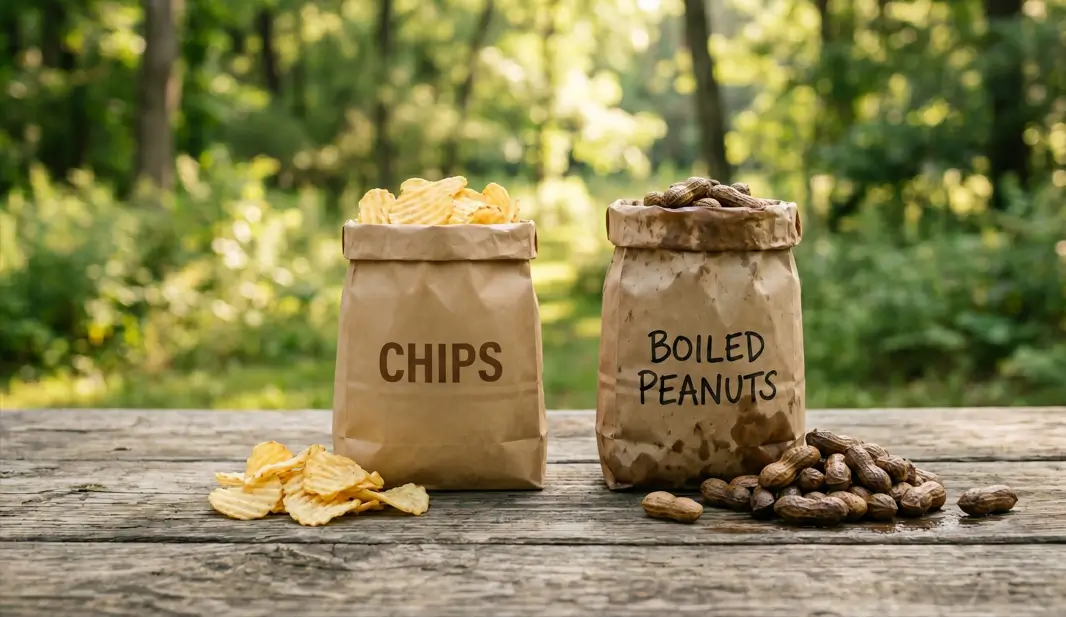
The mid-afternoon hours often feel slower when hunger starts to set in. Many of us experience an energy dip that makes the workday feel more challenging. Our minds drift from tasks to the pantry, looking for a snack to carry us until dinner. Finding the right balance between cravings and productivity can be difficult. This search often leads to a tasty debate: chips vs. boiled peanuts.
What Makes Most People Want to Grab an Afternoon Snack?
The human body operates on a fairly predictable cycle of energy consumption and replenishment that often hits a valley around two or three in the afternoon. This phenomenon is not simply a lack of willpower. It results from a complex mix of biology, psychology, and environmental cues. Scientists often link midday cravings to a natural drop in blood glucose levels a few hours after lunch. We often seek a quick solution to improve focus and ease feelings of hunger:
- Biological Energy Dips: As the glucose from your midday meal begins to wane, the brain signals for a fresh influx of fuel to maintain cognitive functions. This need often creates cravings for carbohydrates or fats. The body can quickly turn these foods into energy to help you finish the workday.
- Sensory Boredom and Routine: Engaging in repetitive tasks for several hours can lead to a state of mental fatigue where the brain seeks out a novel sensory experience. A crunchy or salty snack can act as a quick “reset” for the nervous system. It gives the mind a brief distraction from repetitive daily tasks.
- The Power of Habitual Cues: Many of us have conditioned ourselves to expect a reward at certain intervals, whether that is a coffee break or a trip to the vending machine. These habits are difficult to break because they often connect with social activities. They can also become linked to a specific time when we reward ourselves with a treat.
- Emotional Regulation: Stressful meetings or looming deadlines can trigger a desire for “comfort” foods that release dopamine in the brain’s reward centers. Salt and fat are particularly effective at providing a temporary sense of well-being. These flavors help us manage the frustrations of a busy schedule by offering a small moment of edible joy.
- Hydration Disguised as Hunger: Interestingly, the brain often confuses the signals for thirst with the signals for hunger. People frequently reach for a bag of something salty when their body is actually crying out for water. This confusion between thirst and hunger can create a cycle of snacking. As a result, people may feel even more parched than before.
A Snack Time Matchup: Chips vs. Boiled Peanuts
When it comes to chips vs. boiled peanuts, the choice often comes down to processed snacks versus traditional flavors. The pantry offers many options, but potato and corn chips stand out with their modern appeal and maximum crunch. On the other side, the humble boiled peanut relies on time, water, and salt to develop its rich flavor. This matchup explores which of these salty favorites deserves the title of the best afternoon companion.
Snack Time Contender #1: Chips
The modern chip is a culinary phenomenon that traces its popular legend back to a frustrated chef named George Crum in 1853. According to the tale, a restaurant patron in Saratoga Springs kept returning fried potatoes because they were too thick and soggy. Frustrated, Crum sliced the potatoes paper-thin, fried them until crisp, and added salt, accidentally creating a sensation. This small restaurant experiment later grew into a global industry worth billions of dollars. Today, manufacturers produce chips in large facilities using precision machinery to maintain consistent thickness and moisture levels.
Food scientists call the main appeal of chips the “bliss point”—a specific mix of salt, sugar, and fat that the brain finds hard to resist. In the chips vs. boiled peanuts debate, this combination often makes people choose chips first. A single bite releases flavors that create an immediate reward response, encouraging another bite. The texture also matters, as the crisp “snap” of potato starch creates a satisfying sensory experience. This crunch is achieved through high-temperature frying, which removes almost all the internal moisture and replaces it with various oils. This process not only alters the flavor but also creates a product that is extremely shelf-stable and easy to distribute.
Chips now come in many varieties beyond potatoes, including corn, kale, pita, and root vegetables. Manufacturers use “extrusion” to create different shapes by pushing dough through molds before baking or frying it. This process creates countless flavors, from classic sea salt to options like spicy piri-piri and sweet chili. However, heavy processing can reduce the original nutritional value of the ingredients. Despite this, chips remain a popular snack worldwide because of their convenience and variety.
Pros & Cons
While the convenience of a bag of chips is undeniable, there are several factors to consider before making them your daily go-to. Weighing the immediate satisfaction against the long-term effects is a vital part of being a savvy snacker.
Pros:
- Exceptional Portability: You can toss a bag of chips into a backpack or a car seat without any fear of it spoiling or requiring special handling throughout the day.
- Vast Flavor Diversity: The sheer number of seasoning options means that you can find a specific profile to match almost any craving, from tangy vinegar to smoky barbecue.
- Immediate Gratification: There is zero preparation involved; you simply tear open the packaging and start eating, making it the fastest way to silence a growling stomach.
- Textural Consistency: Large-scale manufacturing means that you know exactly what to expect from your favorite brand, with very little variation in quality from one bag to the next.
- Affordable Access: They are available in almost every gas station and grocery store in the world, often at a very low price point that fits into any budget.
Cons:
- High Caloric Density: Most chips are fried in oil, which significantly increases the fat content and makes it very easy to consume a large number of calories in a single sitting.
- The “Bottomless Bag” Trap: The science behind the bliss point makes it difficult to practice portion control, often leading people to finish an entire family-sized container without realizing it.
- Fragmented Nutrition: The intensive cooking process often strips away the vitamins and minerals found in the raw ingredients, leaving behind mostly empty carbohydrates and sodium.
Snack Time Contender #2: Boiled Peanuts
Boiled peanuts represent a completely different philosophy of snacking, one that prioritizes the natural state of the ingredient. In the chips vs. boiled peanuts comparison, they stand out as a wholesome alternative to processed snacks. Instead of slicing, frying, and heavily processing peanuts, cooks keep the legumes whole and simmer them in a salty bath. This tradition originated in the Southern United States, where farmers once valued freshly harvested, undried “green” peanuts as a seasonal delicacy. Unlike dry-roasted peanuts in most cans, boiled peanuts keep their natural moisture and offer a soft, tender texture. It is a preparation method that feels more like a slow-cooked meal than a factory-made product.
The magic of the boil happens through a process of hydration rather than dehydration. A chip loses water to become crunchy, while a peanut absorbs brine that seasons the kernel from the inside out. The simmering process can last for hours, allowing salt and spices to penetrate the shell. This creates a savory “pot liquor” inside the pod that bursts out when you crack it open. Because cooks boil these nuts instead of frying them, they avoid the heavy oil coating found in many salty snacks.
Choosing the right peanut type is the most important step in the process. Valencias and Virginias remain the most popular choices. In the chips vs. boiled peanuts discussion, peanut quality plays a major role in flavor and texture. Farmers and cooks choose these varieties for their size and ability to stay firm after hours of intense heat. Many connoisseurs prefer “green” peanuts because they offer higher moisture content and a fresher, bean-like flavor than dried peanuts. However, cooks can also use raw dried peanuts by soaking them long enough to rehydrate before cooking. This versatility lets people enjoy the snack year-round, even after the harvest season has passed.
From a nutritional perspective, boiled peanuts offer several advantages that their fried competitors simply cannot match. Boiling actually increases the concentration of certain antioxidants, specifically p-coumaric acid, which’s found in the skins and kernels. Boiled peanuts avoid the extreme heat of deep frying, helping preserve their healthy monounsaturated fats. They also provide fiber and protein, which keep you feeling full longer than a potato chip. This makes them an excellent choice for anyone looking to maintain their energy levels without the subsequent crash.
Pros & Cons
Embracing the world of boiled peanuts means trading a quick crunch for a more substantial and flavorful experience. Understanding the unique requirements of this snack will help you appreciate its place in the pantheon of great foods.
Pros:
- Superior Satiety: The combination of protein, fiber, and healthy fats works together to keep you feeling full and satisfied for hours after your snack break.
- Antioxidant Powerhouse: The boiling process unlocks and concentrates beneficial compounds that help protect the body’s cells from oxidative stress.
- Lower Overall Fat: Since they are cooked in water rather than being submerged in boiling oil, they represent a leaner way to enjoy a salty treat.
- Natural Ingredients: There are no complex preservatives or artificial dyes involved; it is just peanuts, water, salt, and whatever spices you choose to add to the pot.
- Tactile Engagement: The act of peeling the shells makes you slow down and appreciate each bite, preventing the mindless overeating that often happens with bags of chips.
- Hydration Bonus: The salty brine inside the shell actually helps you retain a bit of moisture, which can be helpful if you are active outdoors in the heat.
- Unique Flavor Profiles: From Cajun heat to garlic and dill, cooks can customize the brine to create deep, complex flavors that go far beyond simple surface salt.
Cons:
- Messy Preparation: Cracking open a wet, brine-filled shell is an inherently messy task that usually requires a bowl for the discarded husks and several napkins for your hands.
- Perishability Issues: Because they are moist and fresh, boiled peanuts have a shorter shelf life than chips, so store them in the refrigerator if you won’t eat them soon.
The Ultimate Midday Victory
The results are clear: boiled peanuts offer more nutrition and lasting satisfaction than chips. At Patriot Nutz, we take pride in creating a snack that honors Southern traditions. Our boiled peanuts give your body the fuel it needs while delivering a savory, salty taste. We carefully perfect our boiling process to provide great flavor without the processed additives found in many factory-made chips. Try a handful of our legendary boiled peanuts today and taste the difference.