
Blog
Boiled Peanuts vs. Roasted Peanuts: A Really Nutty Matchup

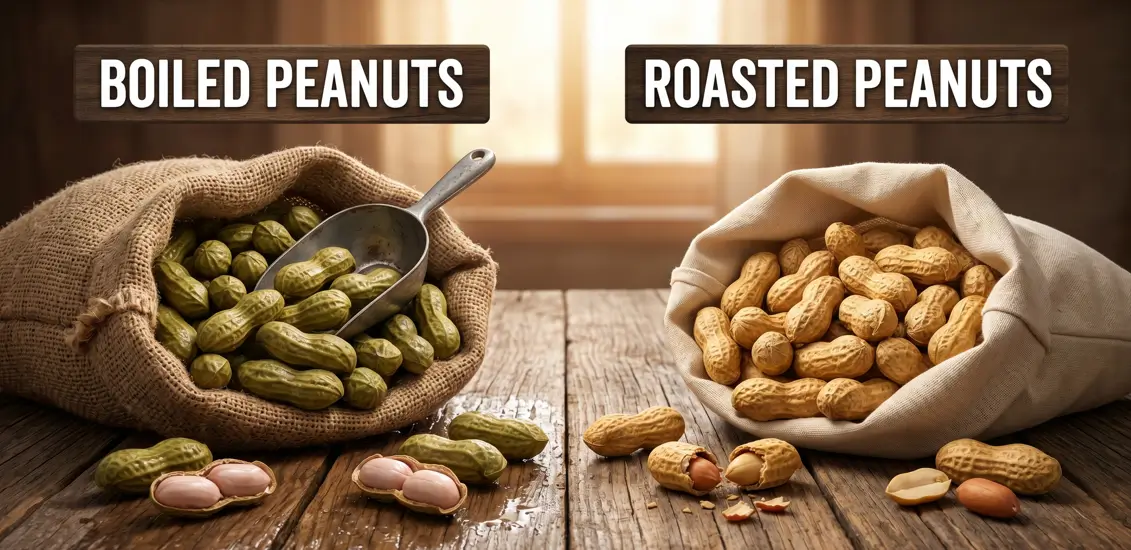
Walking through a busy roadside market or local festival often brings a salty aroma that instantly feels familiar. The boiled peanuts vs roasted peanuts debate remains a favorite among snack lovers. Each preparation offers a unique taste, texture, and cultural experience. A roasted peanut delivers a satisfying crunch, while a warm boiled peanut provides a soft and savory bite. Many people have a clear favorite, creating a friendly rivalry that spans generations and regions. This snack culture goes beyond nutrition. It connects people with regional pride and nostalgic memories of sunny summer days outdoors.
Peanuts 101
Peanuts aren’t actually true nuts but rather members of the legume family, which makes them closer cousins to lentils and beans than to walnuts or pecans. These versatile plants originated in South America, particularly in areas such as Peru and Brazil, before spreading around the world. Ancient civilizations first recognized their value in these regions. Early farmers discovered a fascinating trait of the plant. It flowers above ground but grows its fruit beneath the soil. This underground ripening process protected the pods from various predators and environmental stressors during their development.
Spanish and Portuguese explorers eventually discovered these hardy plants and carried them across the Atlantic to Africa and Asia. The seeds adapted well to new environments and became a dietary staple for many cultures. Their high protein content and long shelf life made them especially valuable. By the time peanuts reached North America, they had already traveled thousands of miles across oceans and continents. They carried a legacy of resilience and versatility that would later inspire the enduring boiled peanuts vs roasted peanuts debate among American snack lovers.
The Science Behind the Peanut Plant: Arachis Hypogaea
The botanical name for peanuts is Arachis hypogaea, which reflects the plant’s unique habit of burying its own seeds. After pollinators fertilize the yellow flowers, the stalk grows longer and bends downward. It pushes the developing ovary into the soil to complete the growth cycle. This “geocarpy” is a rare trait in the plant world and allows the surrounding dirt to perfectly insulate the seeds.
Farmers patiently wait as the plant moves through each growth phase. They carefully monitor soil moisture and temperature during the process. During harvest, farmers dig up the entire plant and turn it over to let the sun dry the exterior pods for several days. The right balance of air and heat cures the crop and prepares it for the processing methods behind favorites like boiled peanuts vs roasted peanuts. This labor-intensive process requires a strong connection to the land and seasons. Harvest timing can greatly affect the final quality of the snack.
How Peanuts Became an American Agricultural Icon
Within the United States, the peanut transformed from a modest livestock feed into a nutritional powerhouse thanks to innovative agricultural research. George Washington Carver is perhaps the most famous figure associated with the crop, as he promoted its cultivation to restore soil health in the South. He realized that rotating cotton with peanuts could replenish nitrogen levels that years of intensive farming had depleted.
Carver developed hundreds of uses for the plant, including dyes, soaps, and food products. These innovations helped farmers become more self-sufficient. His work transformed the region’s economy and made peanuts a key part of Southern identity. It also highlighted the power of scientific innovation.
During the Civil War, soldiers on both sides relied on peanuts for their high energy content during long marches. This period strengthened the peanut’s role in the American pantry. It also helped shape traditions that continue today, including the ongoing boiled peanuts vs roasted peanuts debate among snack lovers.
Not all peanuts are created equal, as there are four main market types grown in the USA:
all short for some snackers.
- Runners: Farmers grow these peanuts most commonly and use them to make smooth spreads because their consistent size and high oil content create the ideal texture.
- Virginias: Farmers consider these the “gourmet” variety because they produce the largest kernels and make an excellent choice for roasting whole in their shells for that classic ballpark feel.
- Spanish: These peanuts have smaller kernels with reddish-brown skins and a higher oil profile, which gives them a particularly intense and nutty flavor that stands out in candies.
- Valencias: Farmers grow these peanuts with three or more small kernels per pod, and snack lovers prize them for their natural sweetness, making them a favorite choice for boiling in salty water.
Each variety brings something unique to the table, allowing snack enthusiasts to choose based on their specific texture preferences and flavor desires. Selecting the right type for the right cooking method is the first step in achieving snacking perfection that satisfies even the most discerning palate.
Boiled Peanuts vs. Roasted Peanuts: A Really Nutty Matchup
The boiled peanuts vs roasted peanuts debate remains one of the most polarizing topics in the snacking world. One side represents the moist and tender tradition of the Deep South. The other delivers the universal crunch of a classic roasted favorite. Both methods highlight the natural oils of the legume in different ways. They appeal to different taste and texture preferences. Let’s compare these two heavy hitters and see how they perform in this culinary showdown.
Nutty Contender #1: Boiled Peanuts
Many people call boiled peanuts the “caviar of the South” because this regional delicacy has earned a loyal following among snack lovers. Cooks prepare them by simmering raw or “green” peanuts in heavily salted brine for several hours until the shells soften. The process lets salt and seasonings soak deep into the kernels, creating a juicy and savory bite. Many people compare the texture to a cooked bean or firm pea, which may surprise those expecting a crunchy snack. Eating boiled peanuts involves both your hands and palate. You squeeze the shell to release the flavorful prize inside. The result is a snack that feels more like a warm meal than a simple dry appetizer.
The secret to a perfect batch lies in using green peanuts. Farmers harvest these peanuts fresh before they dry or cure them. These legumes contain high moisture levels, which makes them ideal for boiling. Their short shelf life limits availability to the harvest season, adding to their appeal as a seasonal treat. Many people wait all year for roadside stands to open with steaming pots of salty treasures. If green peanuts aren’t available, cooks can use raw dried peanuts instead. However, these peanuts require a much longer soaking and cooking time to reach the desired tenderness. This reliance on fresh produce connects the consumer directly to the agricultural cycle of the region.
The cooking method seems simple, but it requires patience and careful seasoning. Cooks fill a large pot with water, sea salt, and spices like Cajun seasoning or liquid smoke. They keep the water at a steady simmer so the heat reaches every pod without making the shells mushy. Cooking time depends on the peanut variety and freshness. The process can take four to eight hours. The result is a warm, flavorful snack with savory brine that drips down your chin as a sign of a job well done. The long cooking time allows every single kernel to absorb the pot’s aromatic flavors.
In the South, boiled peanuts are more than just food. They represent a social tradition that brings people together at gas stations, farmers’ markets, and tailgates. Vendors often sell them in brown paper bags that quickly become translucent with moisture, showing the freshness of the batch. Eating them also comes with its own etiquette. People often use a communal bowl for discarded shells and keep plenty of napkins nearby for the mess. It’s a slow snack that encourages conversation because you cannot rush the process of peeling and enjoying each pod. For many people, the taste of a salty boiled peanut captures the feeling of a Southern summer afternoon spent under a shady porch. This cultural weight makes them a permanent fixture in the hearts of those who grew up with them.
Pros & Cons
There are many reasons why this preparation has a cult following, though it also presents a few hurdles for the uninitiated. Gaining a full comprehension of these characteristics helps in appreciating why some fans will travel miles for a single bag.
Pros:
- Deep Flavor Infusion: The immersion in a heated brine allows the sodium and mineral accents to migrate through the porous cellulose of the shell, deeply seasoning the kernel from the inside out in a way that topical salting cannot emulate.
- Unique Soft Texture: They offer a soft consistency that serves as a refreshing change of pace for those who find hard, crunchy snacks taxing on the jaw or dental work.
- Hydrating Quality: Because they are cooked in water rather than oil, they retain a higher moisture content which some find more satisfying and less dehydrating than dry-roasted alternatives.
- Seasonal Tradition: The limited availability of green peanuts turns the act of eating them into a cherished annual event that marks the passing of the harvest season with nostalgia.
- Flavor Versatility: They are incredibly flexible when it comes to spice profiles, as you can add everything from garlic and onions to habanero peppers and liquid smoke to the boiling pot to create a custom experience.
- Mindful Consumption: Eating them is an immersive, tactile process—requiring both hands—that slows down the pace of snacking and turns it into a more intentional and social activity.
- The Savory Brine: Many fans find that the warm liquid trapped inside the shell is a delicious bonus, acting as a small shot of savory “pot liquor” with every single bite they take.
Cons:
- Logistical Messiness: The high moisture and salt content make them very messy to consume, often requiring a significant amount of cleanup and a dedicated space for the wet, discarded shells.
- Limited Shelf Life: They have a very short window of freshness compared to dried snacks, meaning they must be eaten quickly or refrigerated to prevent the growth of mold or spoilage.
Nutty Contender #2: Roasted Peanuts
Roasted peanuts represent a global snacking favorite, known for their crunch and aroma. This method applies dry heat to the kernels and triggers the Maillard reaction. This chemical process occurs between amino acids and reducing sugars. It creates the signature brown color and the complex savory-sweet flavor that people recognize worldwide. Heat transforms raw, starchy seeds into crisp and flavorful snacks. Cooks can roast them in the shell or remove the shells first. The aroma of roasting peanuts attracts crowds at fairs and sporting events from blocks away, creating a natural invitation for hungry patrons. It is a transformation that turns a simple groundnut into a culinary icon.
There are two primary ways to achieve this toasted perfection: dry roasting and oil roasting. Dry roasting uses hot air or sand to cook legumes without added fats. This process highlights the peanut’s natural earthy flavors. Oil roasting, however, submerges the kernels in hot oil. This creates a richer snack that holds salt and seasonings well on the surface. Many commercial producers prefer oil roasting because it improves efficiency and creates a satisfying “snap” with every bite. Home cooks often choose oven roasting because it gives them better control over the final color and crispness. Both techniques aim to reduce the moisture content while concentrating the natural fats within the kernel.
The roasted peanut is inextricably linked to the American experience, particularly in sports and entertainment. It’s the quintessential ballpark snack. The sound of cracking shells creates a rhythmic backdrop as players compete on the field. This preparation also remains a staple in the airline industry and at bars. Its salty flavor encourages patrons to enjoy their beverages more thoroughly. Its portability and long shelf life make it a convenient choice for hikers, travelers, and busy professionals. The flavor feels timeless, bringing back memories of circus tents, movie theaters, and cozy nights by the fire with friends. This widespread popularity has established the roasted peanut as the benchmark that people use to compare all other salty snacks.
Pros & Cons
This classic method has earned its place in history for very practical reasons that extend beyond just taste and smell. Here’s a look at what makes the roasted version so enduring and where it might fall short for some snackers.
Pros:
- Concentrated Nutty Profile: The intense, toasted flavor produced by the roasting process is universally recognized and widely loved, offering a depth of taste that is both familiar and satisfying.
- Long-Term Preservation: They have an exceptional shelf life, allowing them to be stored in a pantry for many months without losing their signature crunch or flavor integrity.
- High Portability: This version is remarkably clean and easy to transport, making it the perfect choice for eating on the go or in a car without needing immediate access to a sink.
- Sensory Satisfaction: The audible and tactile crunch provides a sensory feedback that many people find addictive and helpful for relieving stress during a long day.
- Nutritional Density: They are a highly efficient source of energy, packing a significant amount of protein and healthy fats into a small, lightweight package that is easy to carry.
Cons:
- Risk of Over-Cooking: Over-roasting can happen very quickly if the temperature is not monitored, leading to a bitter, burnt taste that can ruin an entire batch in a matter of minutes.
- Oral Dehydration: Because they are dry, they can leave the mouth feeling overly parched or “cottony” if a refreshing beverage is not readily available to wash them down.
- Texture Challenges: Some people find the hard, brittle texture to be difficult to manage, especially those with sensitive teeth or specific dental constraints that require softer food choices.
Nothing Beats the Brine
When the dust settles on this salty showdown, boiled peanuts emerge as the ultimate snacking champion. At Patriot Nutz, we focus entirely on this Southern classic because we believe slow-simmered legumes offer unmatched richness. Our pots bubble with the perfect blend of spices and salt. Every bag delivers the warmth and comfort of a Southern afternoon. We’re proudly team-boiled for life. Grab a handful of our latest batches and discover why we love the savory magic of boiled peanuts.